Finding what makes life picture perfect.
Are you a camera? Because every time I look at you I smile.
— A Quote on a Pillow
Are you a camera? Because every time I look at you I smile.
— A Quote on a Pillow
In one of my previous posts, I talked about some of my favorite/least favorite posts. To be honest, I think all of the assignments helped me grow significantly as a photographer. Before this class, I never used a camera; but now, I know I will continue to photograph my life and the world around me! I am honored to have learned just a little bit about this skill. This class has given me a new perspective on how to view life. I will continue to work on my skills as long as I have inspiration!
And I am very glad that I had a wonderful teacher to help along the way. Professor DiBenedetto was always responsive to any questions I had and helped guide us on our artist journeys. I think having in-person class time would have been more beneficial, but such circumstance are beyond our control. Even so, she assigned projects that made me think creatively and pushed me in new directions. I never knew how to do night time photography, and now I can create cool “paintings” with light. The videos we watched also helped us see how other artists have been inspired in their photography journey.
I just want to thank my professor for being so kind and helpful during this crazy time. Thank you for encouraging us to be more creative and daring. I am so happy that I took this class. Now I’m sad that it is over. But thank you for giving me a new outlet to express myself! I will try to continue posting to this blog throughout the years. Thank you for an amazing semester! 🙂
Today I tried to complete the Big Mac challenge by taking photos on my phone with a lighting set up made with a box and flashlight. It wasn’t very successful but it was fun to try! I’m thankful my parents were willing to take part! I’ll have to experiment more with my phone and different settings I can try. We used our curtains as a backdrop and tried to remain neutral-faced.
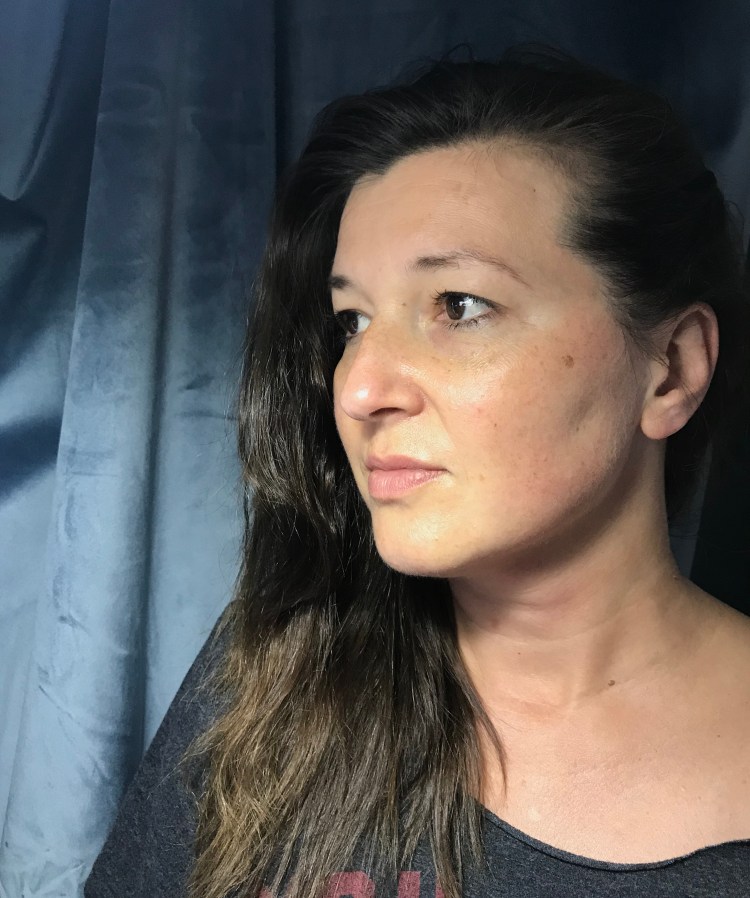
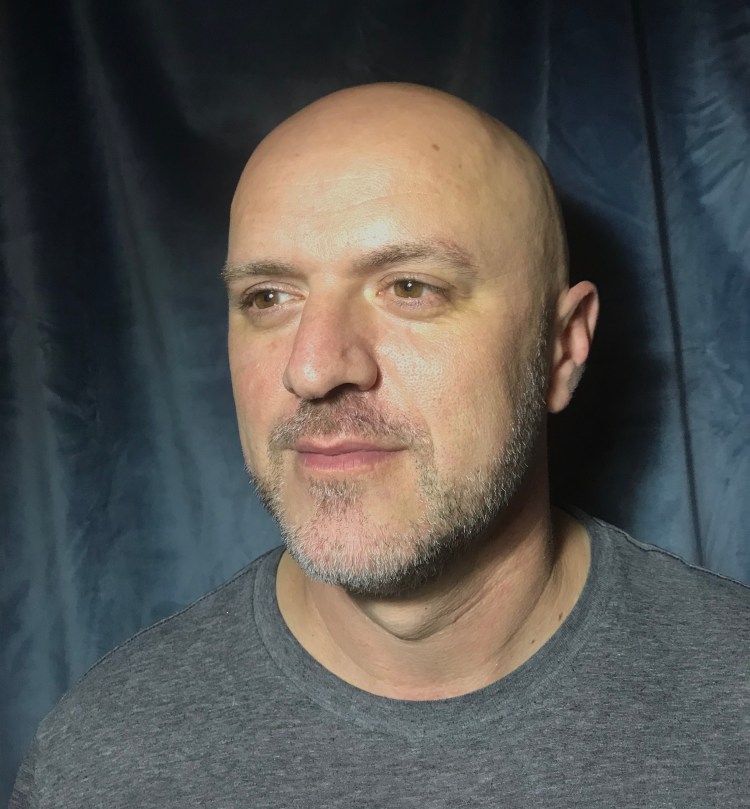
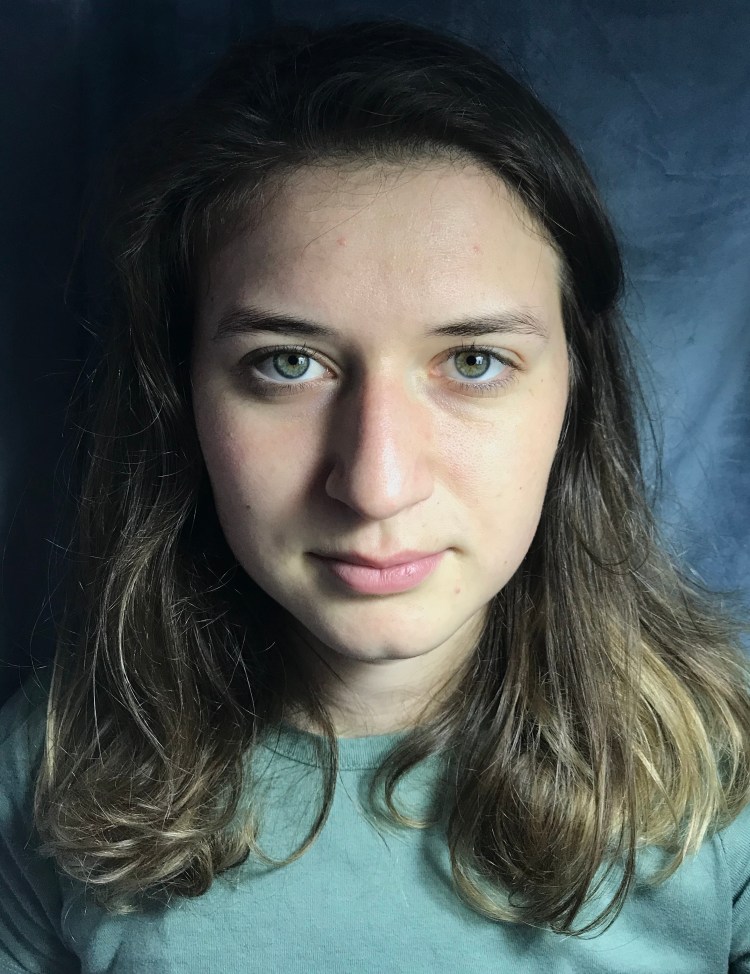
During this class, I’ve done quite a few projects that have challenged me and made me a better photographer. My 2 favorite projects are Pictorialism and Nighttime photography because of how great the pictures turned out. These projects allowed me to be more creative and focus on color. Pictorialism allowed me to take a photograph and make it look like a painting, while the Nighttime project forced me to learn how to use light in the dark and took MANY tries (timed photos are hard!). The assignments I did not really care for were the Diptych/Triptych and Portraits. For the Diptych/Triptych project, it took me forever to chose what 2 pictures worked for the diptych and how to format them as one photo. For the Portraits, I had to have 3 people to complete it: me, my dad, and my mom (to hold the light). It took a while to angle the light correctly and get just what I needed. Otherwise, I am proud of all of my projects and how much I’ve grown!
For my virtual museum visit, I checked out Musée d’Orsay in Paris, France. I chose this museum because the focus of the museum is paintings done by distinguished artists like Van Gogh. I find a lot of inspiration in paintings because a person has to put whatever they saw in real life onto paper or canvas. So for my online tour, I was able to click around and look at some paintings as if I were there. A large portion of the collection is online as photographs which made it easier to look at. An artist I kept looking at (and who inspired most of my photographs) was Vincent Van Gogh. His art is so beautiful and simplistic yet unrecreatable. I know he is a popular artist and it is easy to understand why. I also looked through other paintings by Renoir, Cézanne, and more. While they were all by different artists, the time period for the paintings started in the 1800’s and ended in the early 1900’s and displayed different focuses. There were many still lifes, people going about their daily routine, and portraits. This visit inspired me to recreate modern versions of certain pieces. They are not exact replicas but instead modern photographs that I could see fitting into the storyline of the paintings there. I made a simple version of Cézanne’s Still Life with a Kettle on my table in my kitchen with objects that resembled what he painted. I took a photo of my own bedroom to mirror Van Gogh’s Bedroom in Aries (by himself of course) and increased the vibrancy a bit to copy the bright colors in his painting. I also mimicked Van Gogh’s Fritillaries in a Copper Vase and Dr. Paul Gachet (a sad looking man that i put myself in place of talking on the phone). For my last photo, I was inspired by various artists (like Caillebotte) who painted people working and living their lives. So I went outside and took a picture of my dad working. He was mixing concrete and we were able to get a pretty cool shot! Overall, I really enjoyed looking at these paintings that showed simplicity and happiness in their own ways.
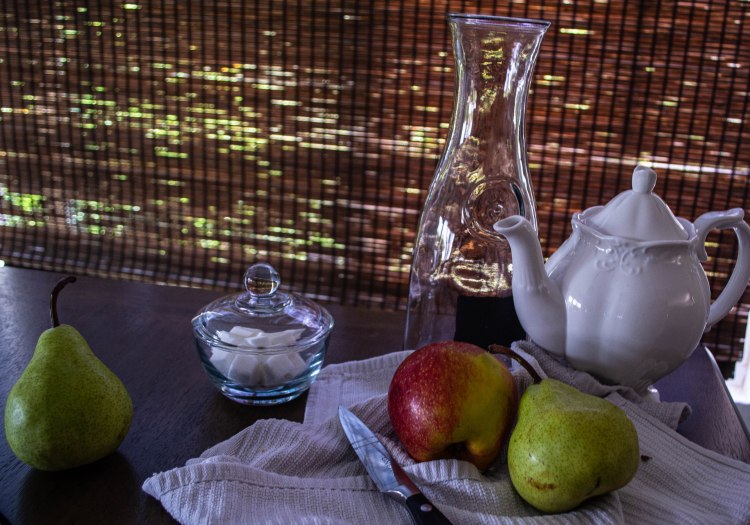
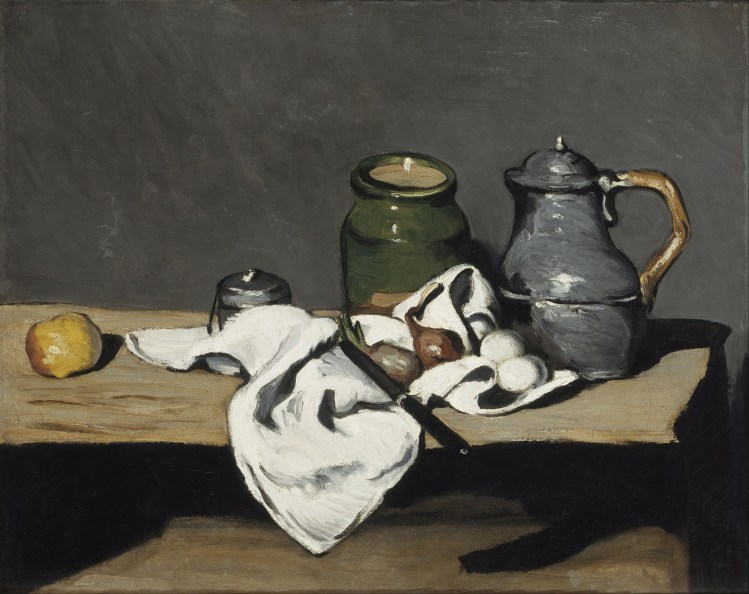
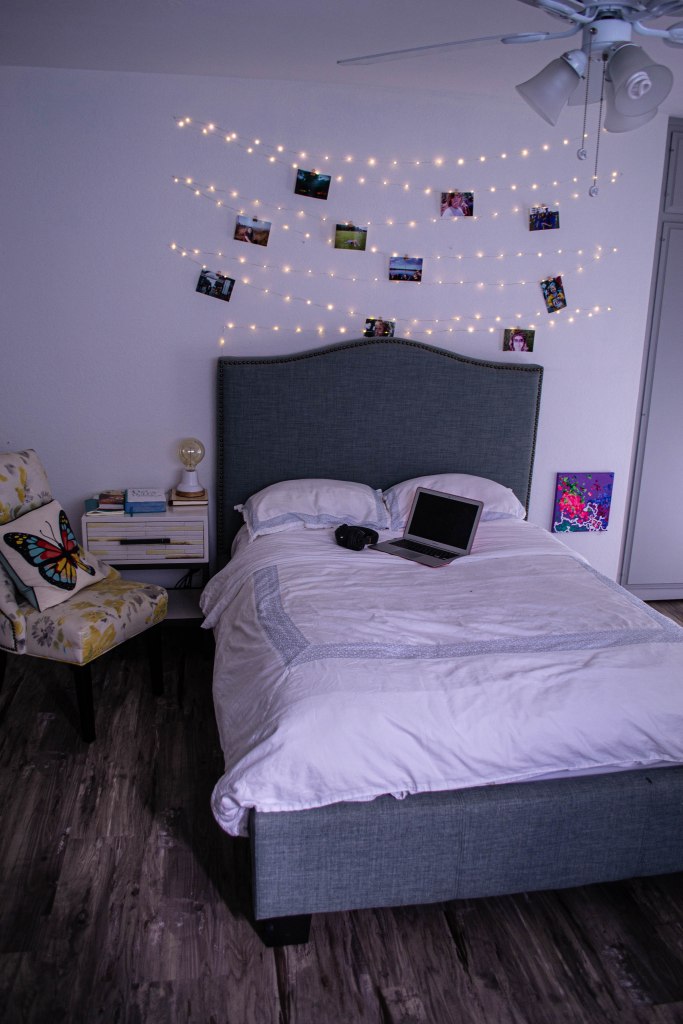
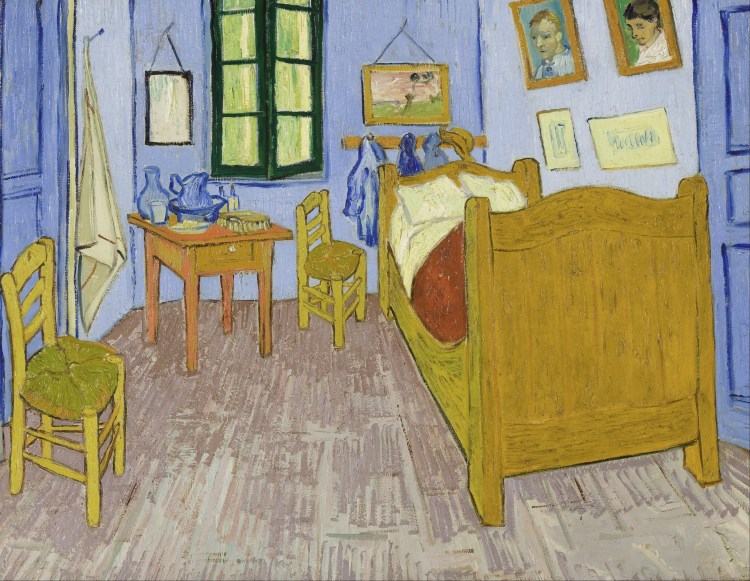

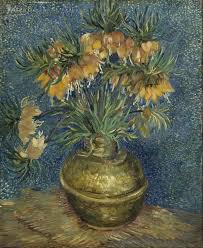
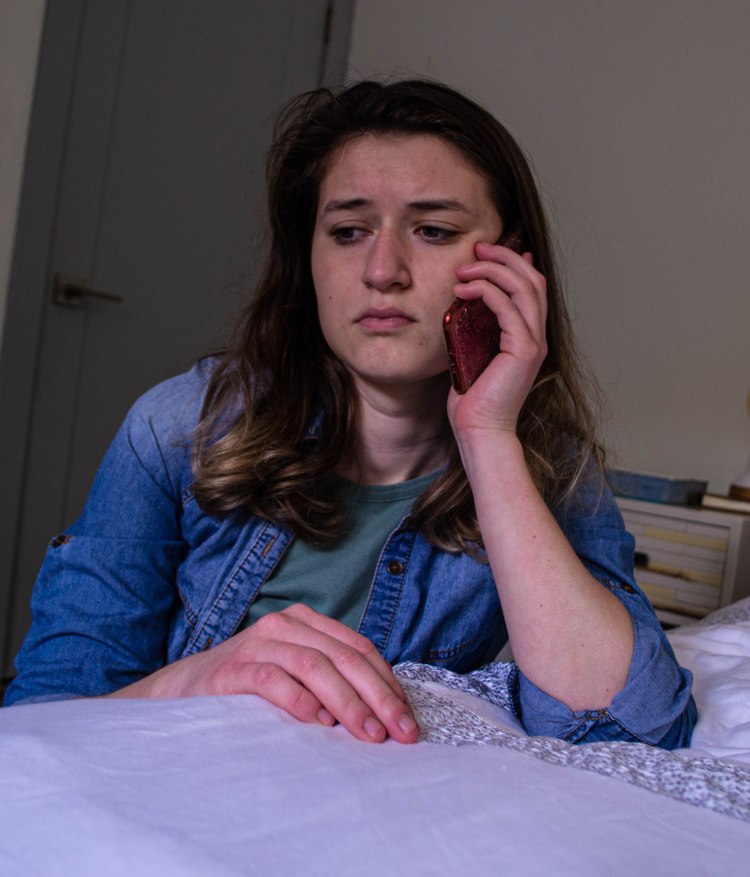
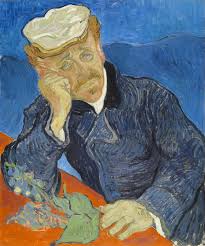
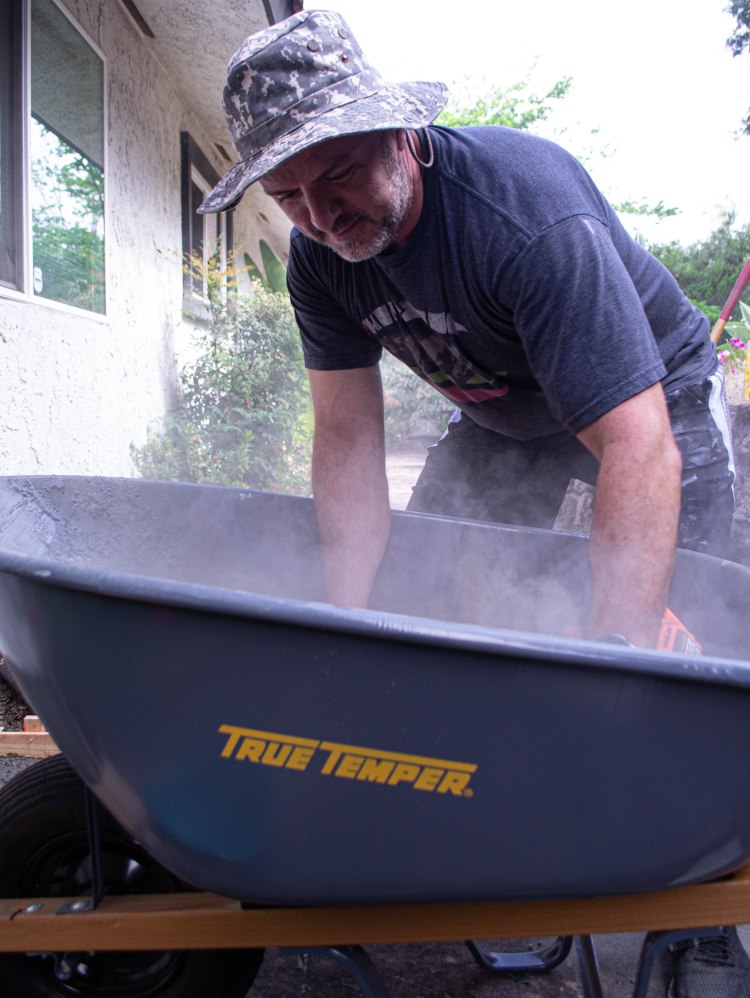
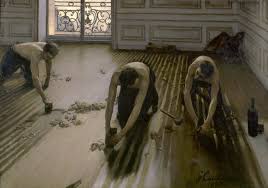
(The pictures of the paintings are not my photos but were the references for my own photos)
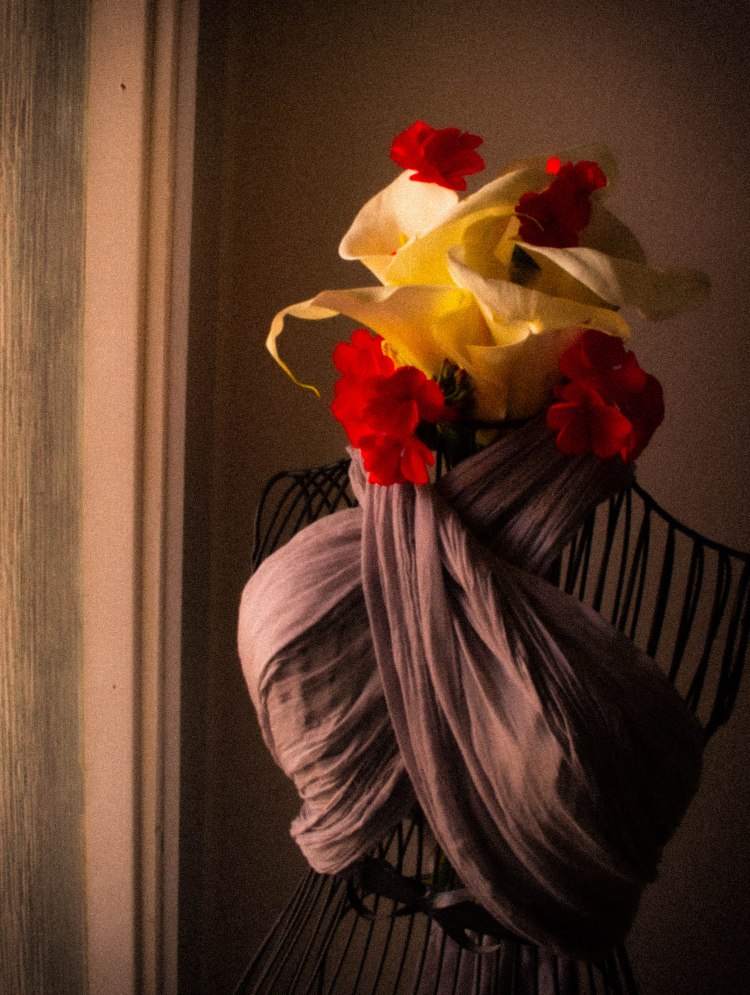
Pictorialism is essentially editing a photo to look like another piece of art like a painting or drawing. It can be done physically with real paint on a picture or digitally with filters. I was inspired by one of the stories within Letters to a Young Artist. Elizabeth Murray talks about her memories of walking through museums and being re-inspired for her own work. She reminds artists to remember where they came from and what they want to achieve. She encourages financial success while staying true to ones art. I wanted my photograph to be a symbolistic “painting” that might inspire someone in a museum. I let my creativity flow and focused on nature and a small aspect of fashion. I approached this project like I do for most of my paintings nowadays: listening to low-fi music without words and just letting what happens happen. I experimented with where to place the manequin, then saw flowers, and decided to put them together. For me, it symbolized the beauty within fashion and within our own minds. I used the mannequin in place of a person to change the feeling of the picture. Anyone can put themselves in it. And I edited it to look more like a feeling than a photograph. I was able to accomplish this on Sunday afternoon in the middle of the day when light was shining through the window in our entryway.
https://www.blurb.com/books/10074073-my-artistic-journey
This is my book for our class. I focused on my artistic journey through the years by taking picture of many of my pieces and compiling it into this book. It was an interesting process because I had to keep so many pieces out. If I made a longer book, there would obviously be a lot more to show. But I think what I have chosen is a great representation of how my art style has grown and changed over the years. Enjoy!
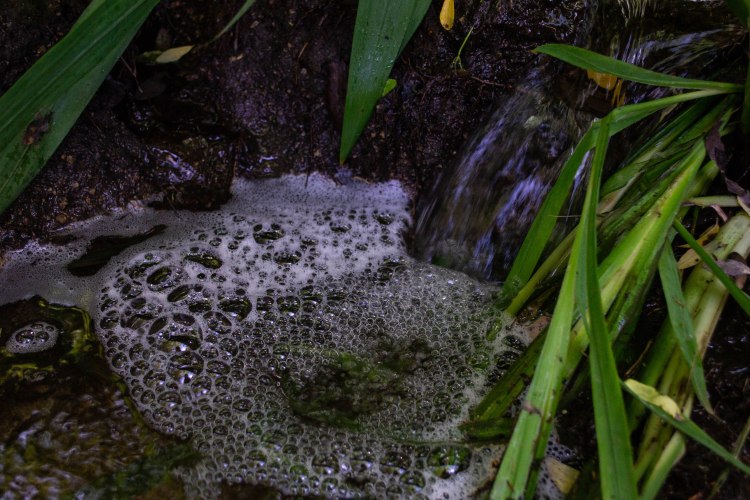
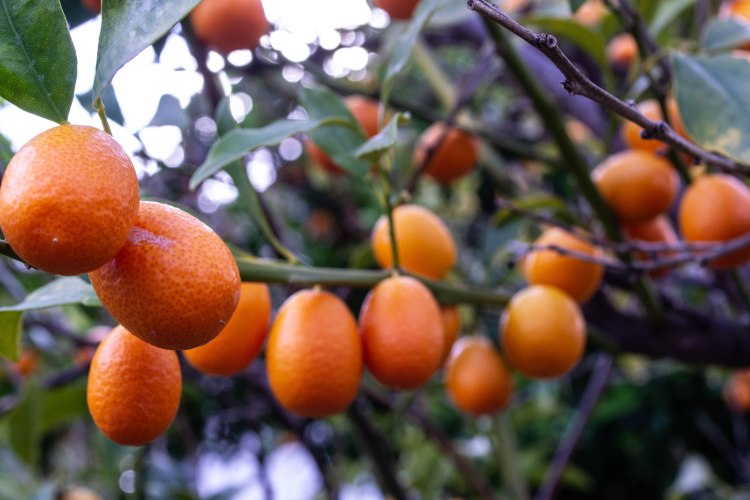
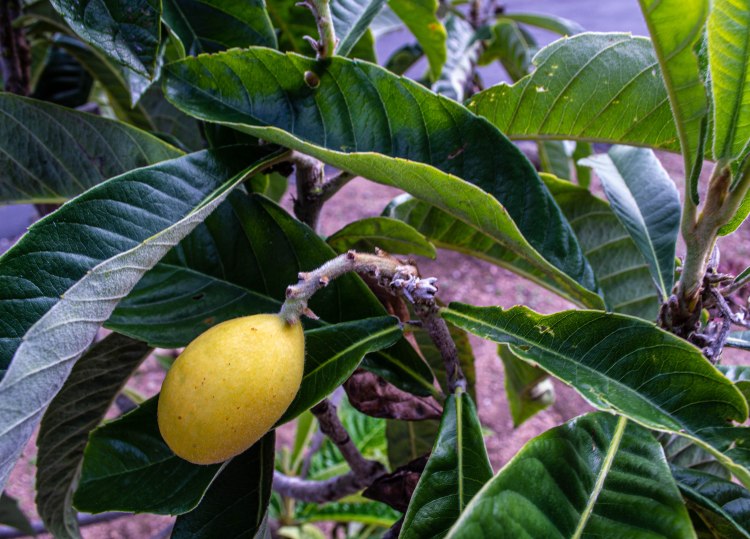
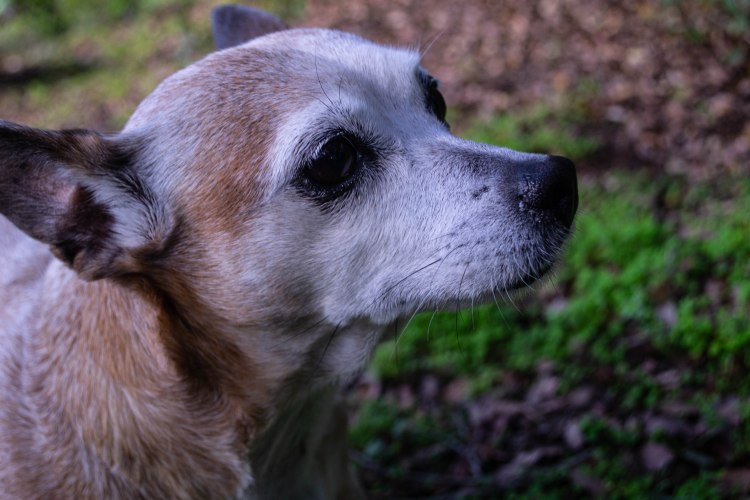
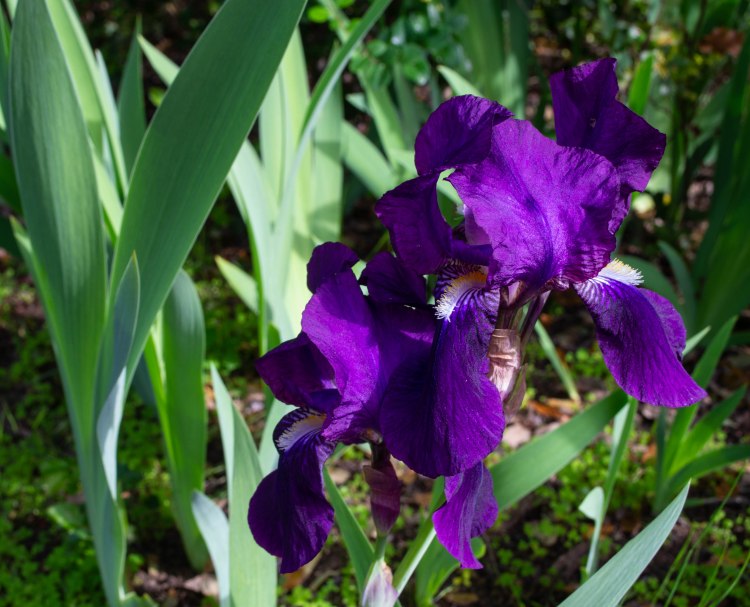
This past week, I went on a little walk with my dog around our yard. I tried to find things that interested me, like the little babbling creek nearby and our full kumquat tree. And I am so proud of the one loquat on another slowly growing tree! It is slowly turning orange and ripe, which is very exciting after 4 years of growing it! I also managed to get a great picture of my dog (she kept moving so it was hard to get some other good photos) and of the interesting purple flowers near our fence. It was a nice day to walk around, and I chose the mid-afternoon (around 2 or 3) to work with different lighting. It was a great way to find little things to appreciate.
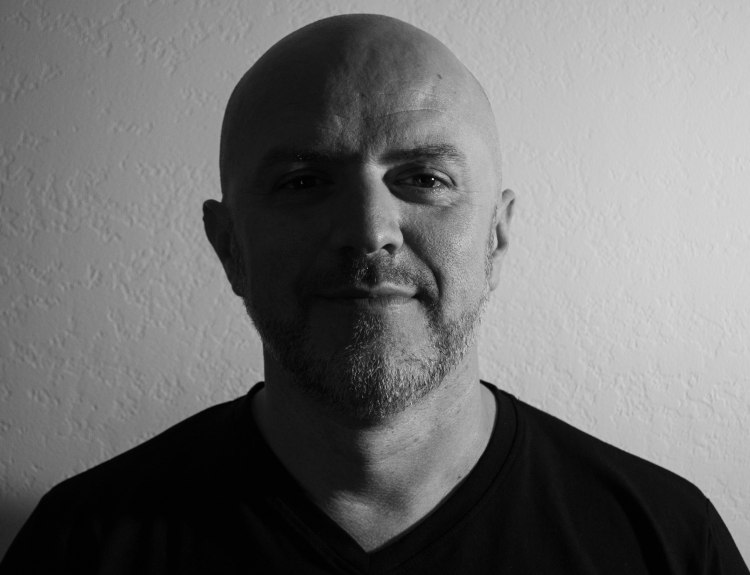
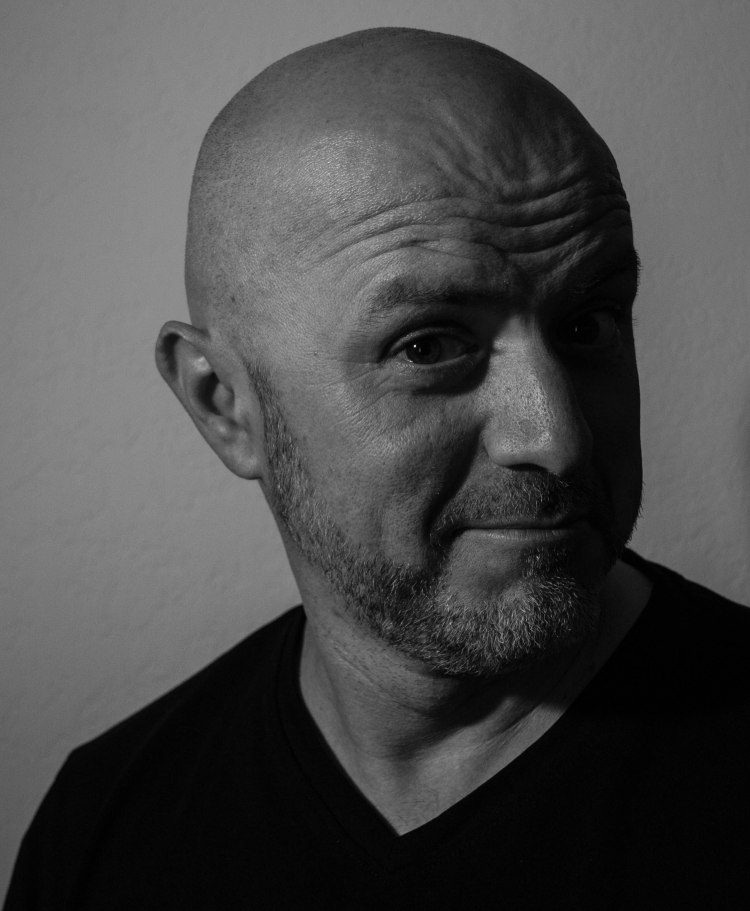
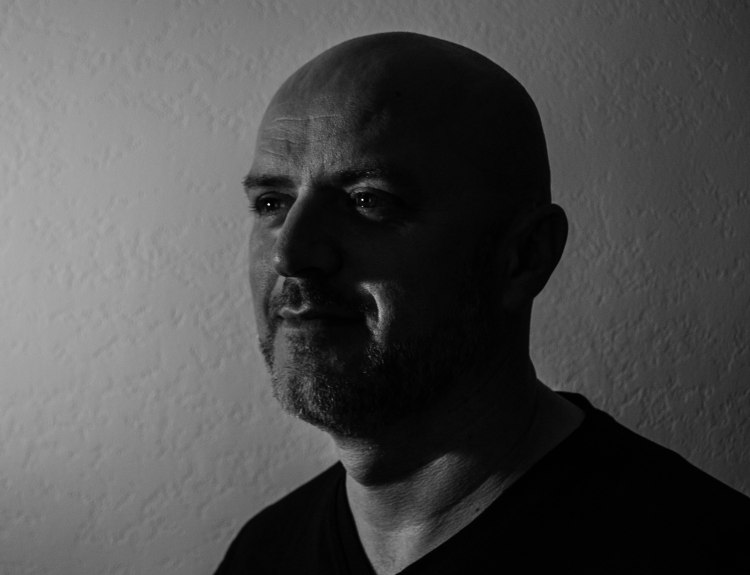
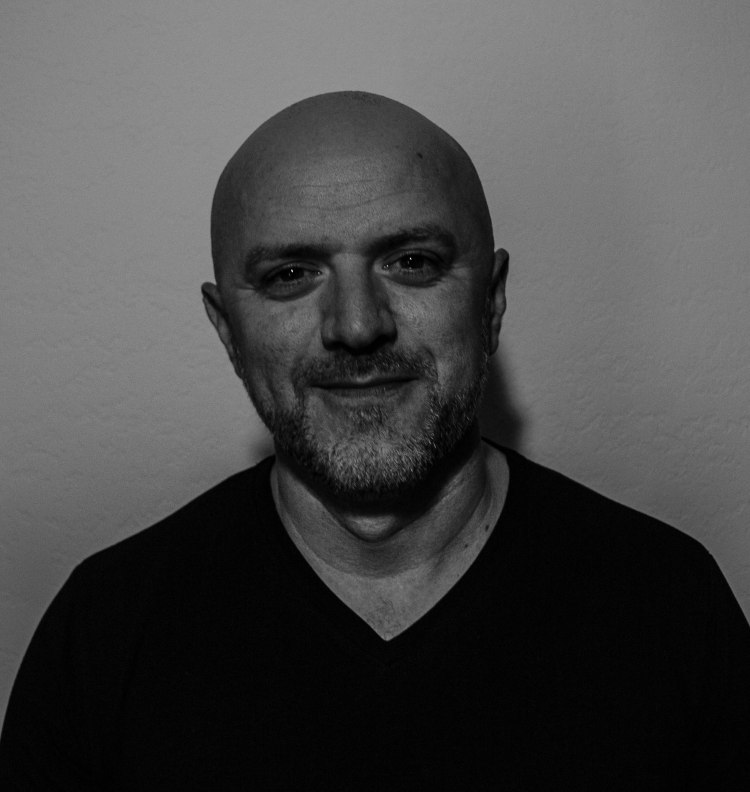
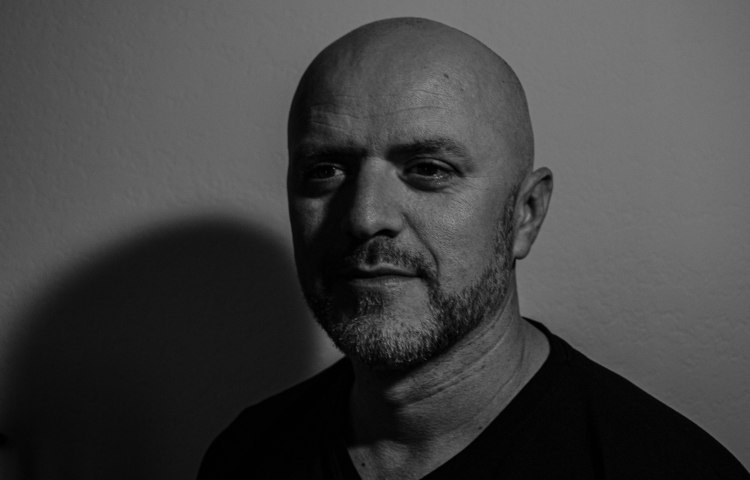
For my portrait project, I asked my dad to be my subject. We took these photos on Sunday afternoon in a room we could control the lighting in. We used a portable LED light (which I covered to dim it a little) to be the source of light. Some came out pretty good and worked well with my dad’s profile. Others may not be perfect, but we had a fun time experimenting and laughing. We tried to do split, broad, short, butterfly, and Rembrandt lighting. I will continue to experiment with portrait lighting styles and new ways to add some flair to the background.

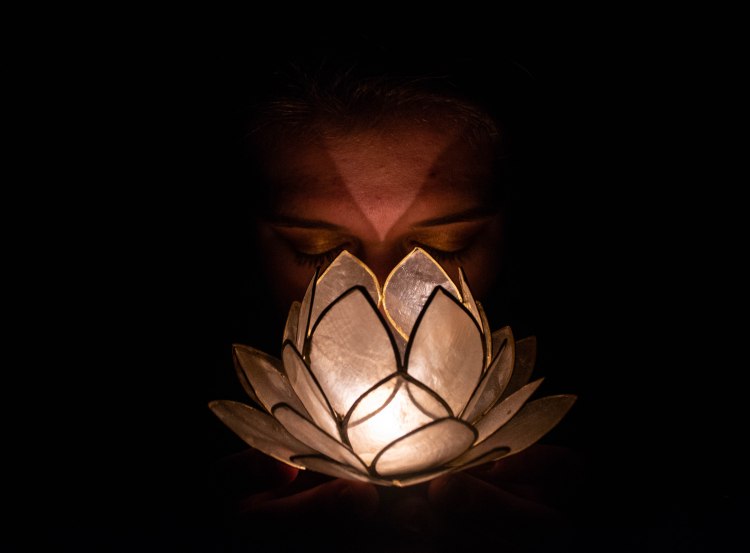
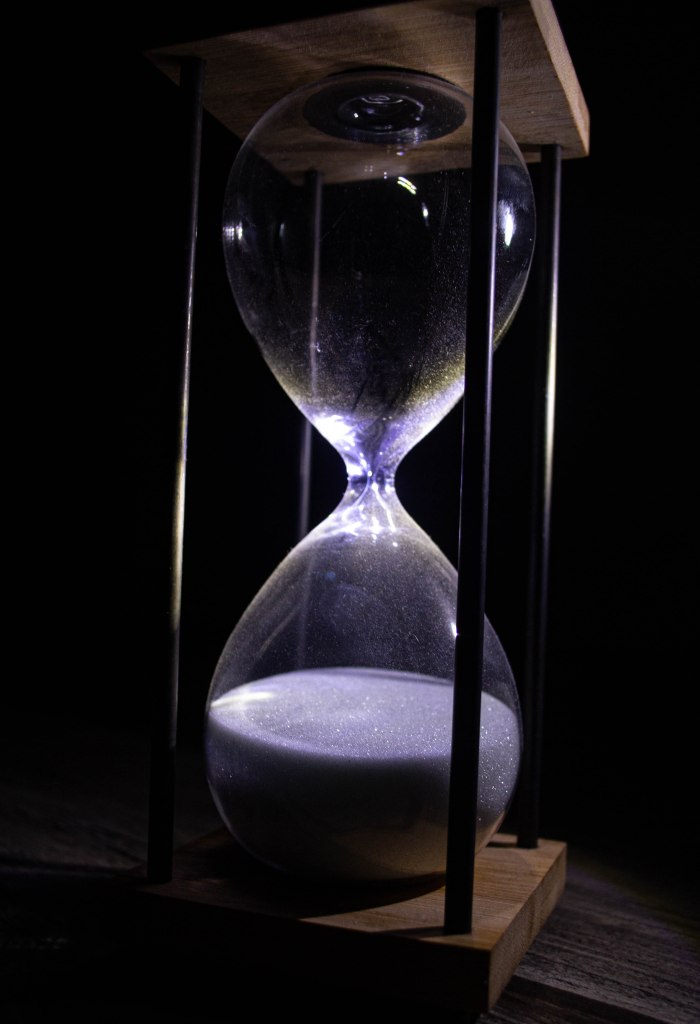
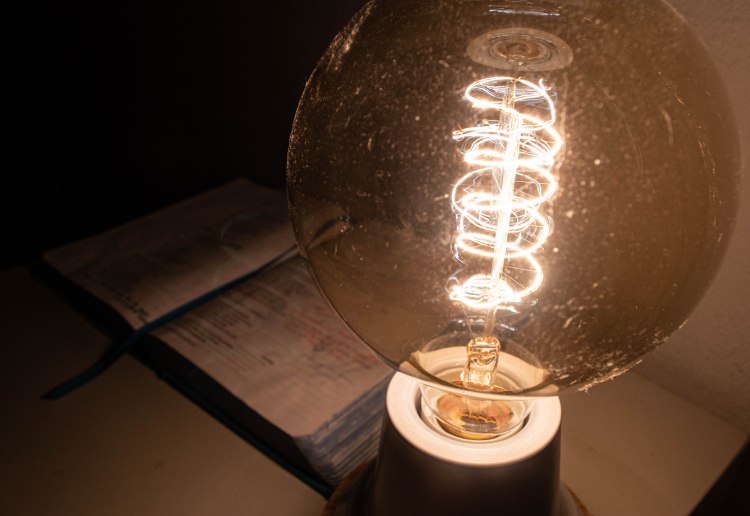
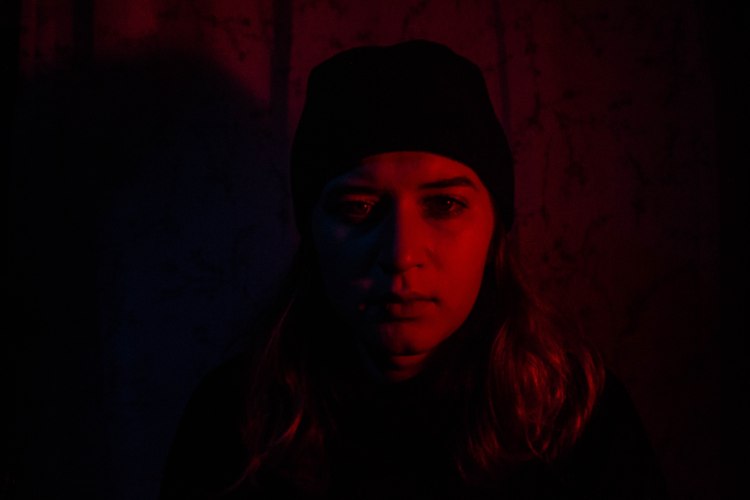
I took these photos for our nighttime project over the weekend. Obviously I had to wait until the sun went down and my room was pitch black, and on Friday night I was photographing until midnight. I wanted to try a few different methods, such as light painting and different colored lights coming from different directions. My main focus was on artificial light in my room because there was not an opportunity for me to go to where city lights are prominent, and my neighborhood does not have streetlights. So I worked with what I had: small sources of light. I tried to photograph things I thought would be interesting, like light shining through an hourglass or my lotus candle holder. To put myself in these pictures, I had to use a tripod and a countdown for my camera and rush into frame. It was very difficult and definitely took more than a few tries. The light painting photo has two of my large paintings as the background and a flashlight as the “writing” tool. I also used a lotus flower candle holder, a pink light, my hourglass, and my side table light with my Bible open next to it. This project definitely challenged my creative thinking skills and my patience with camera count downs. I am proud of the results and want to experiment with more nighttime concepts!
Have a WordPress.com account? Log in now.

